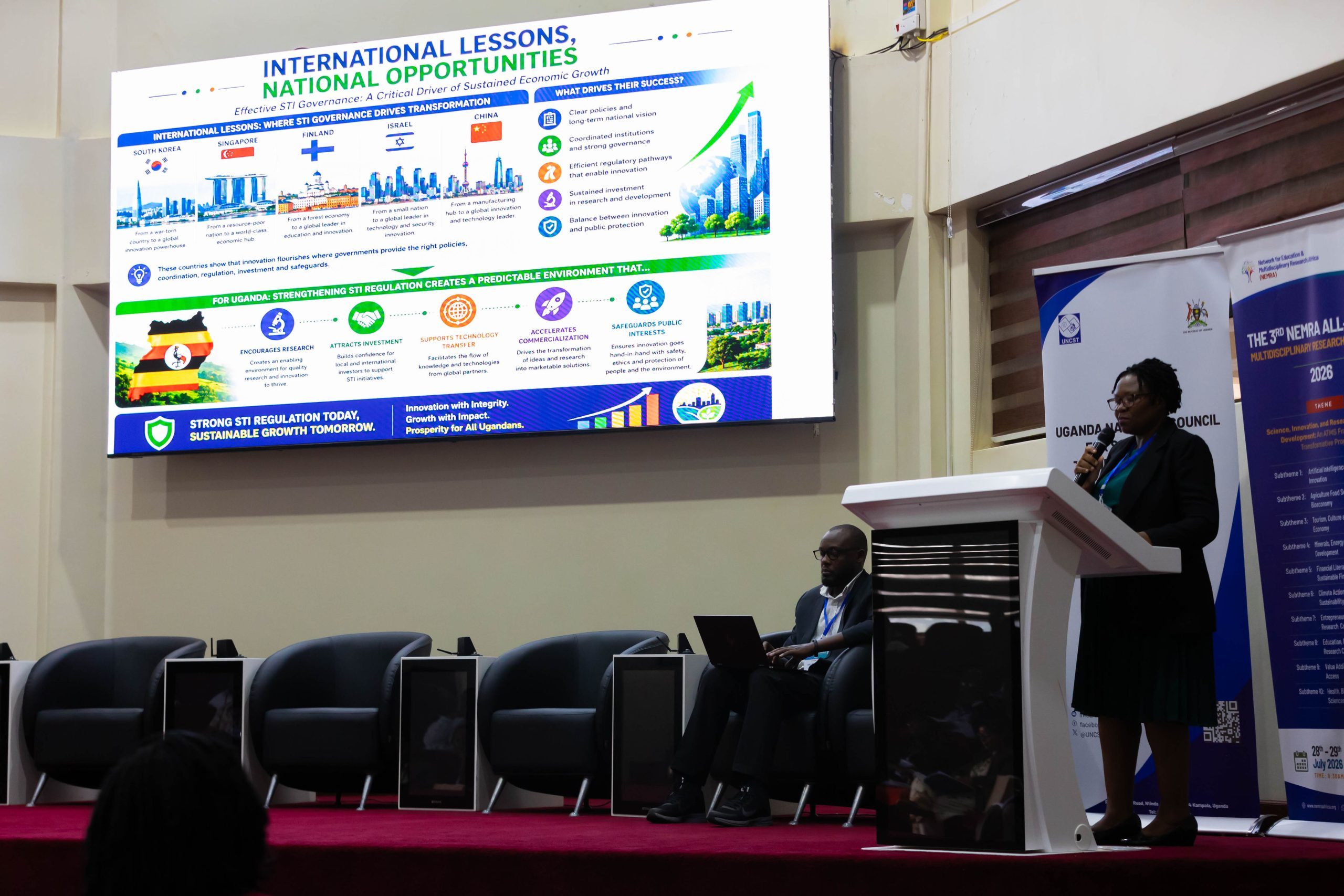
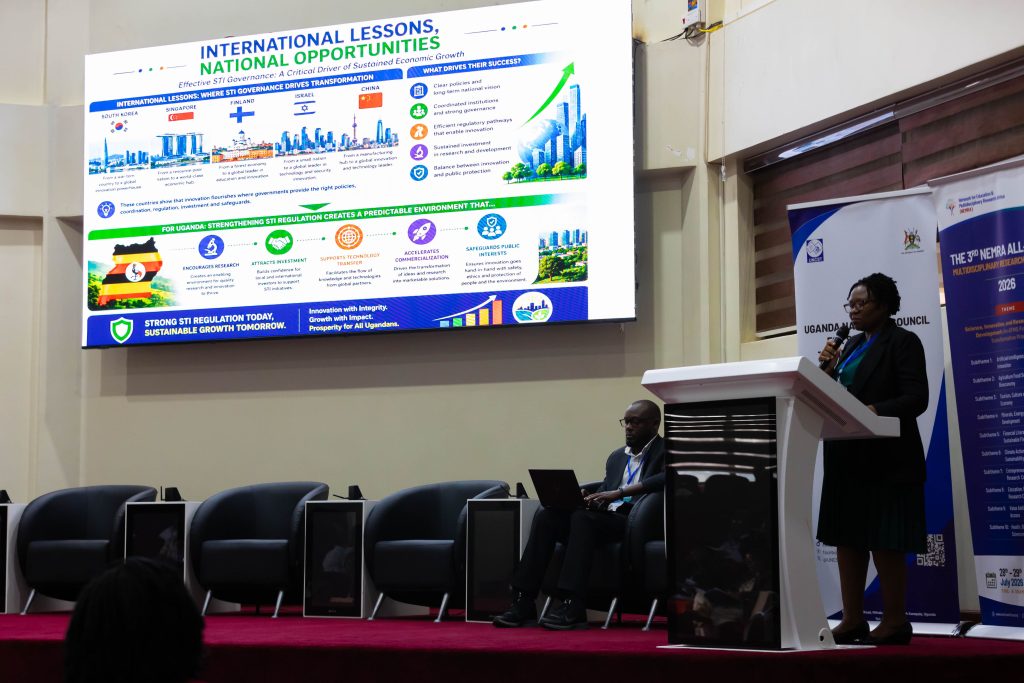
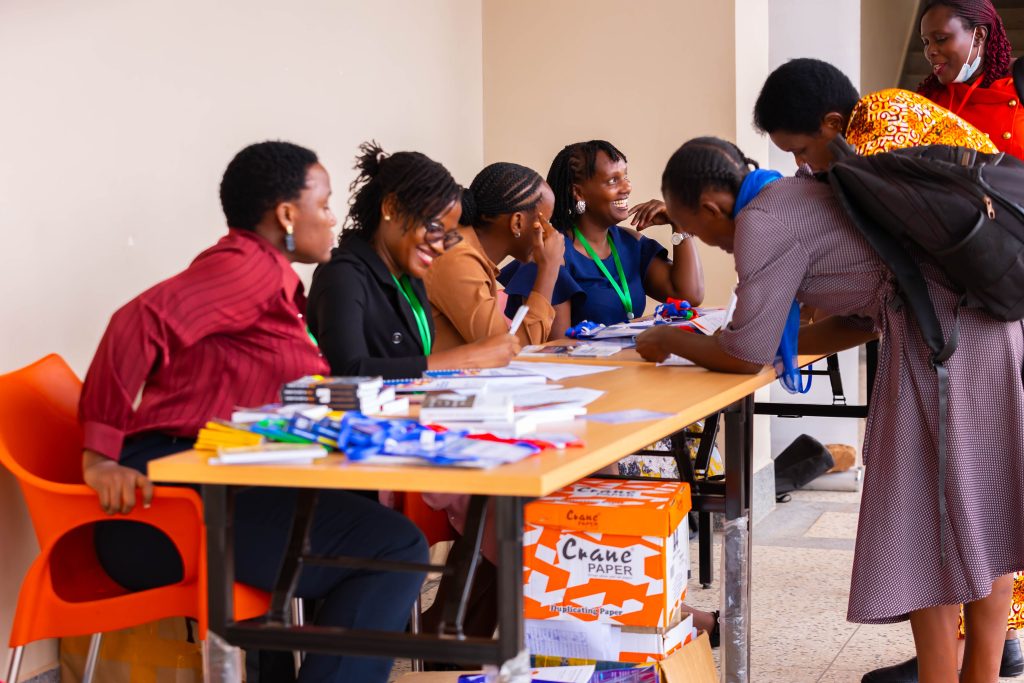
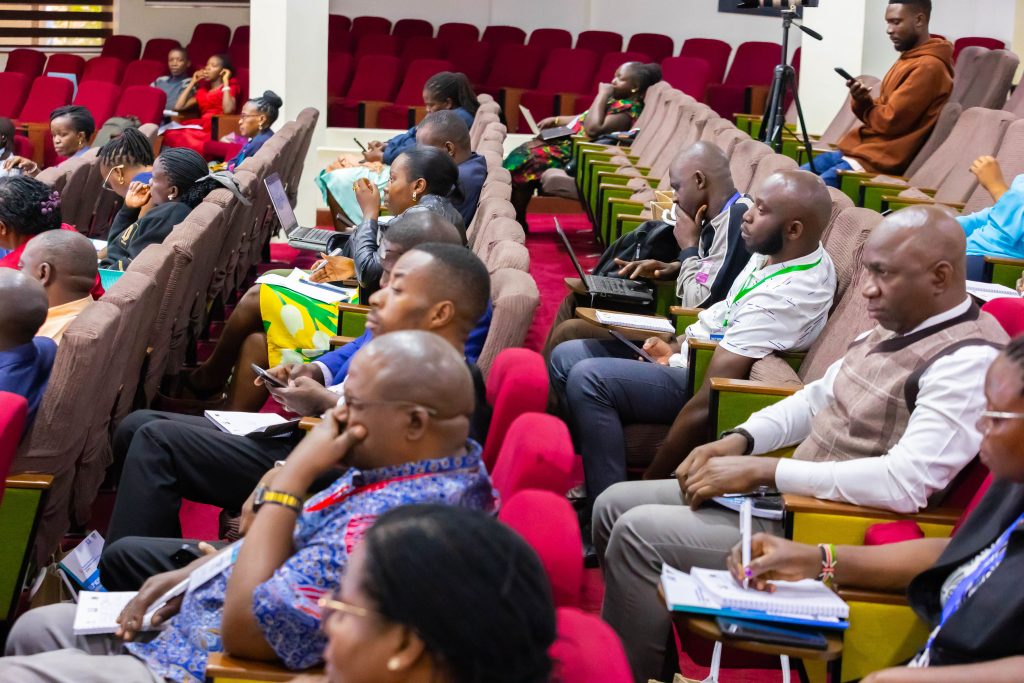
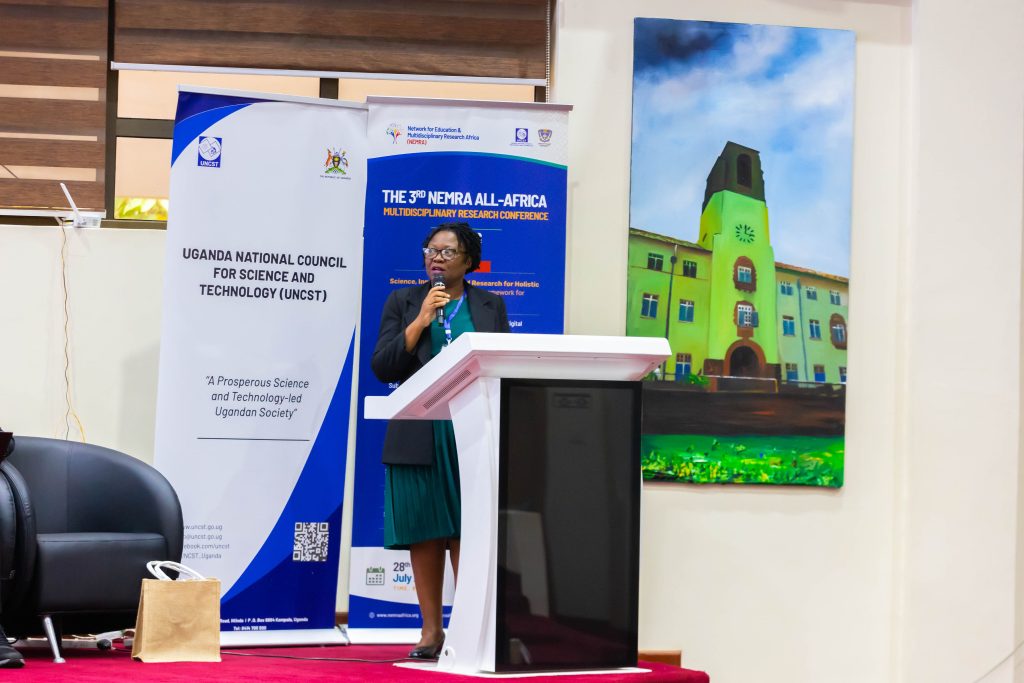
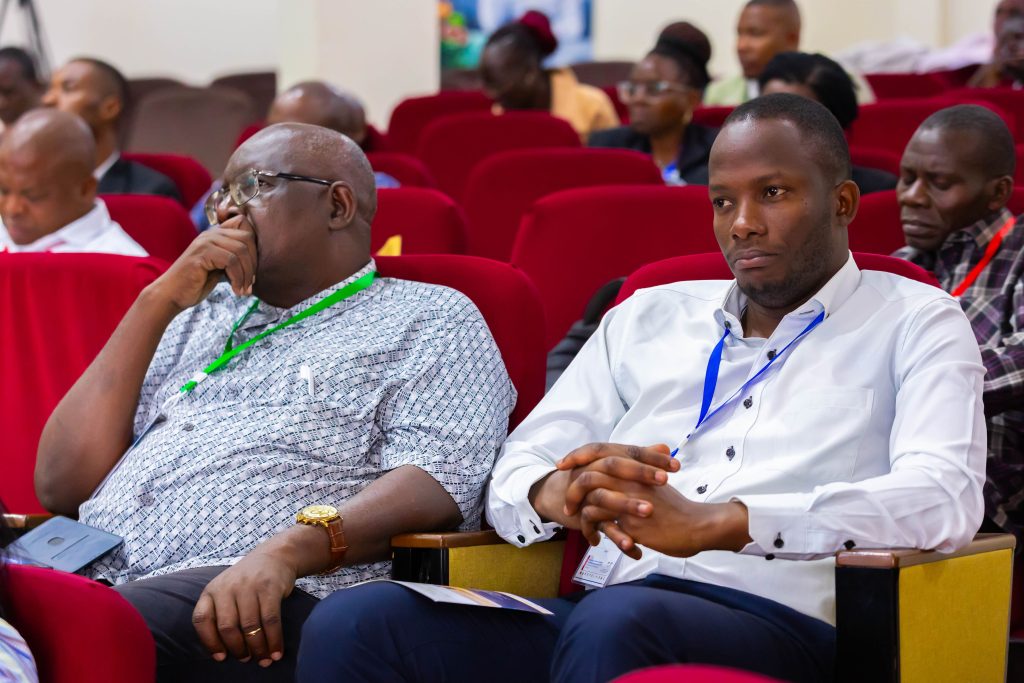
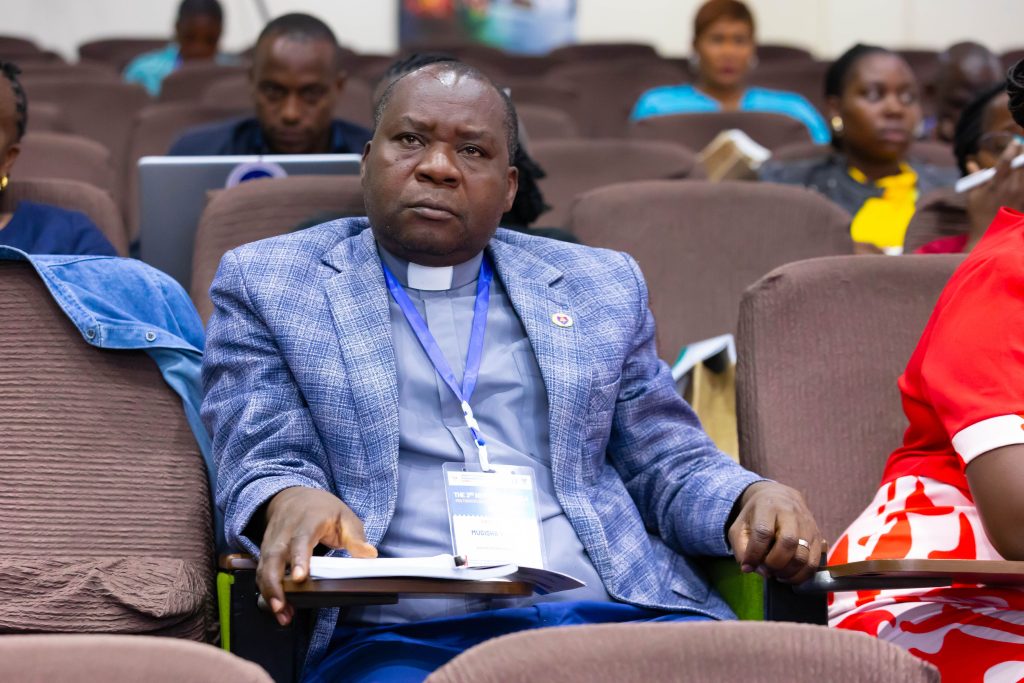
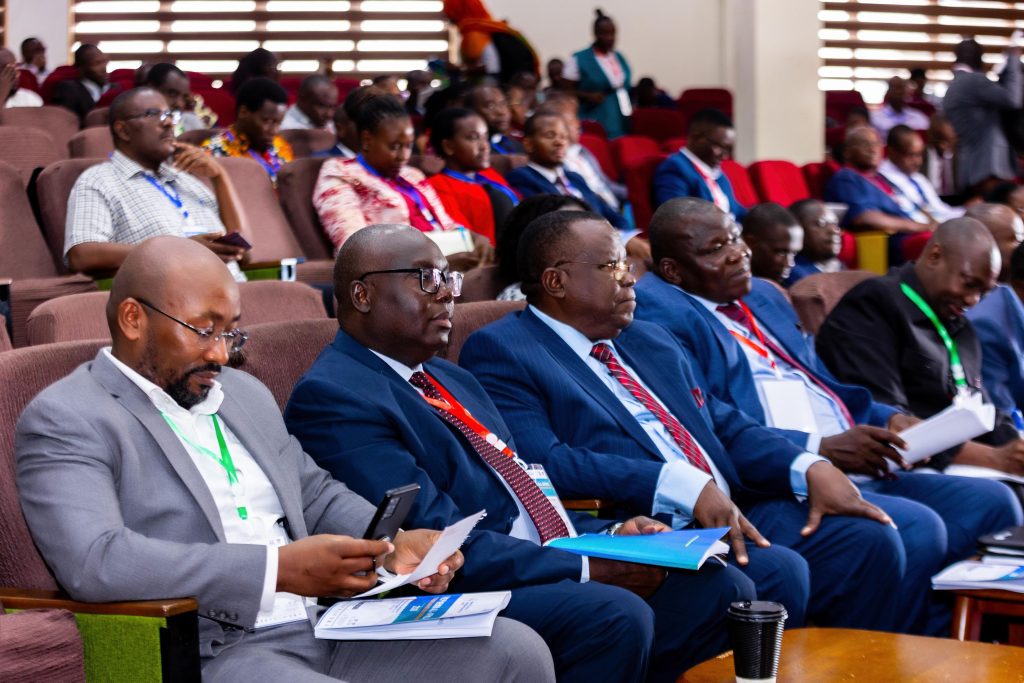
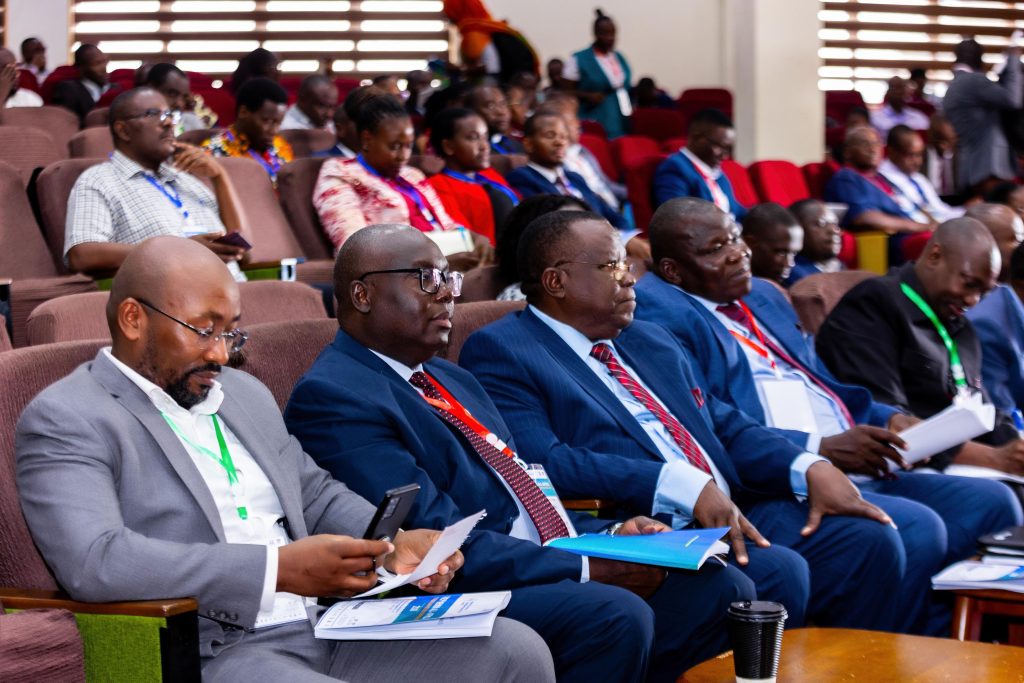
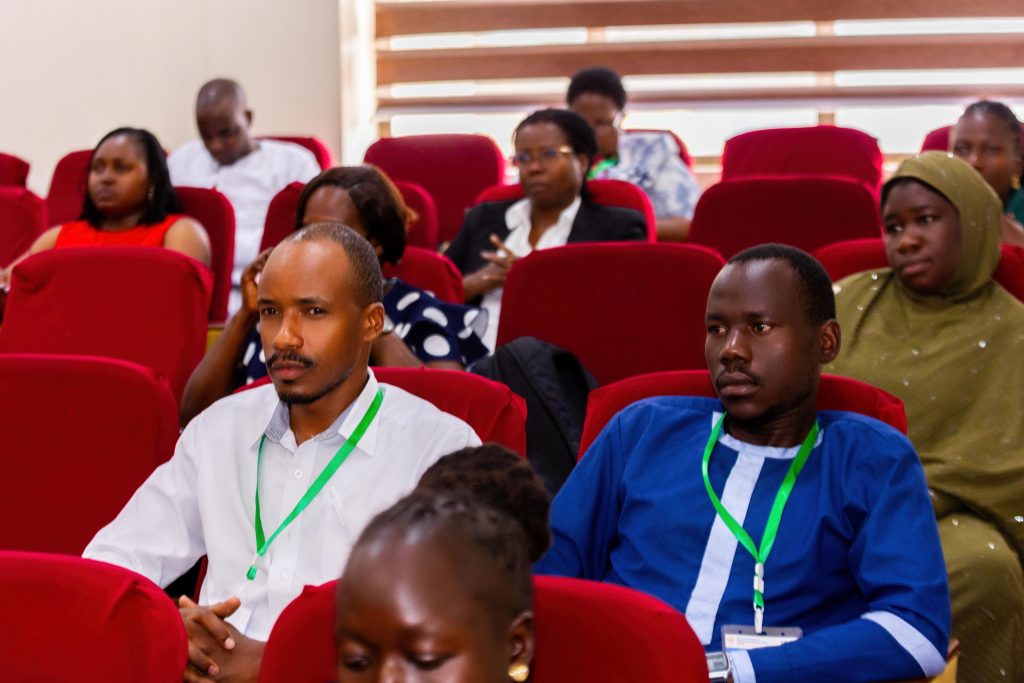
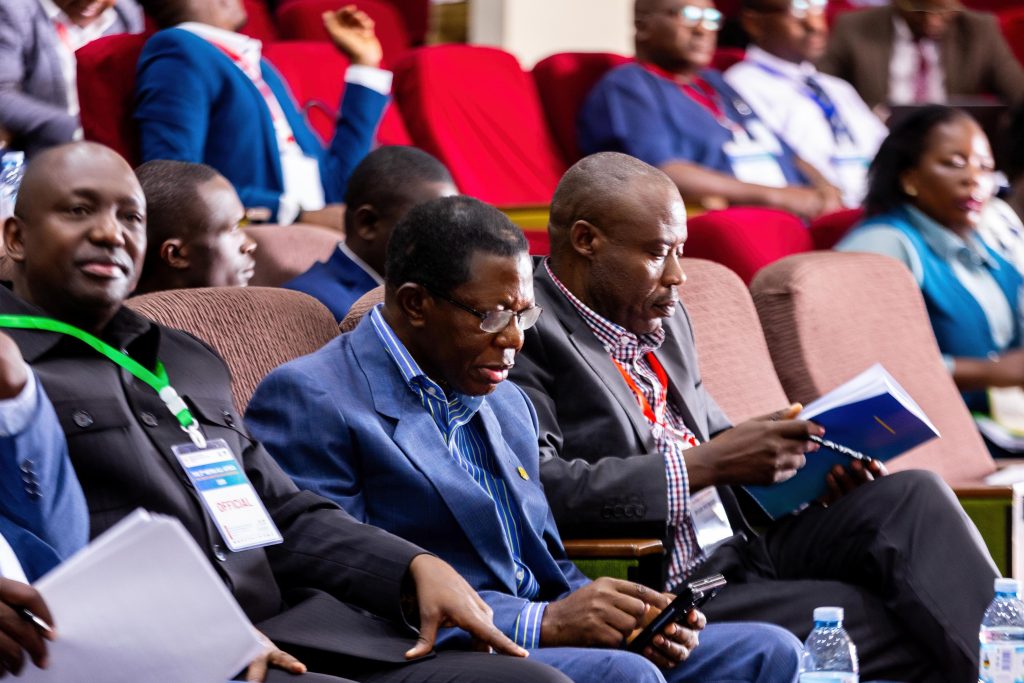
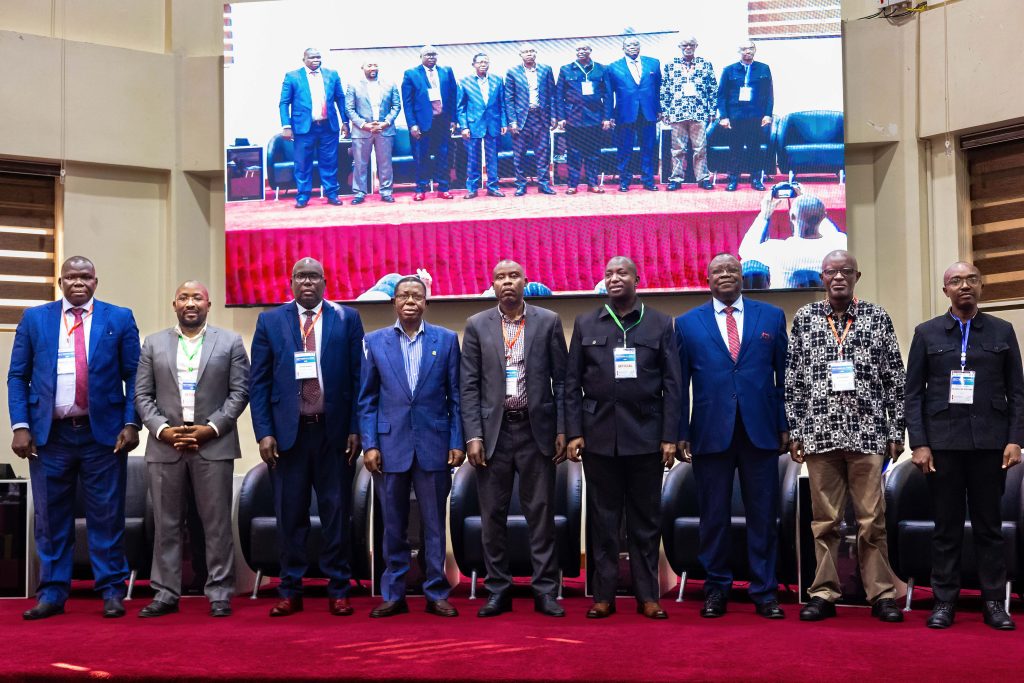
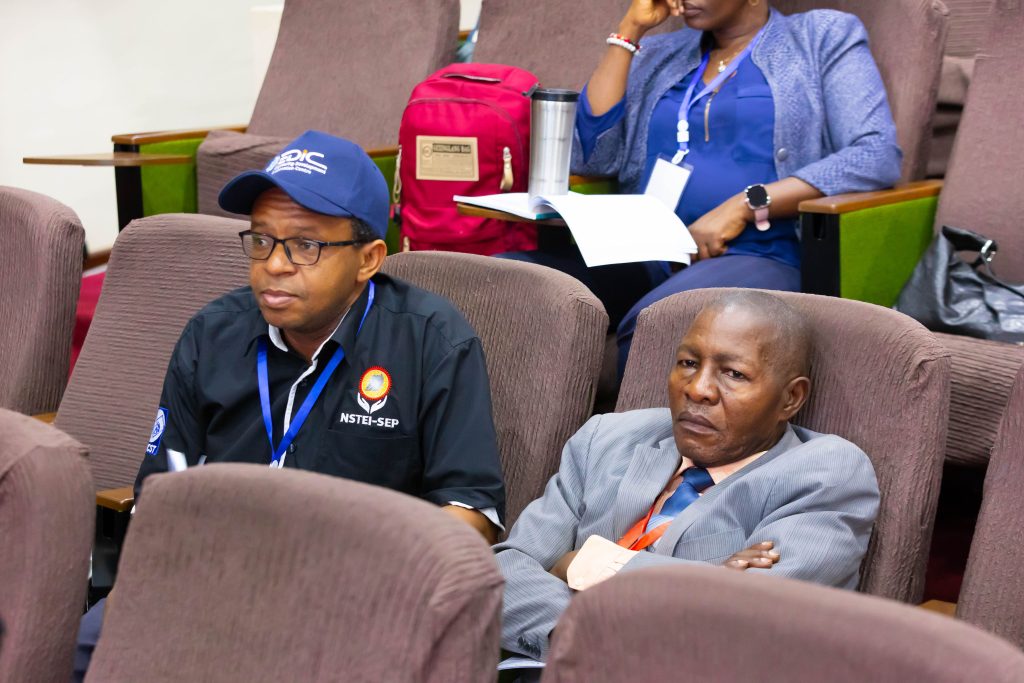
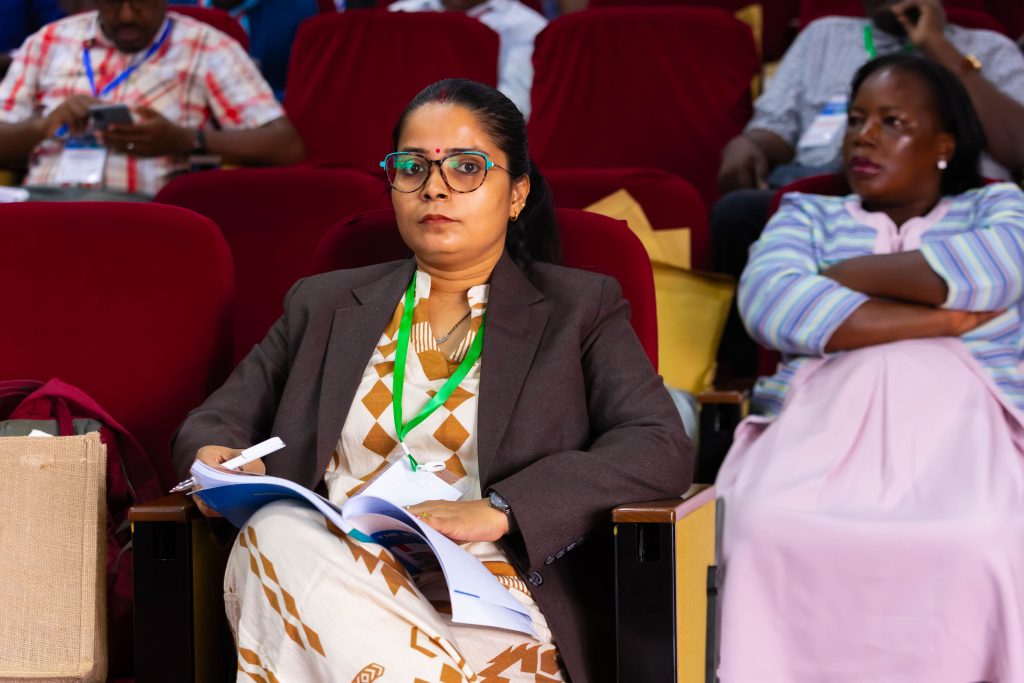
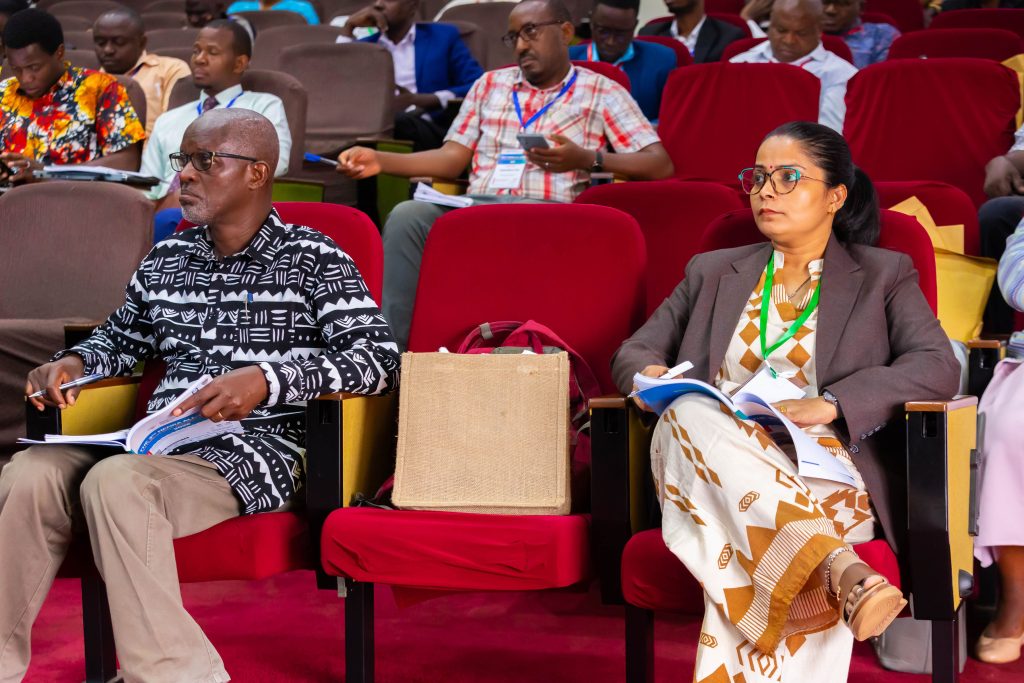
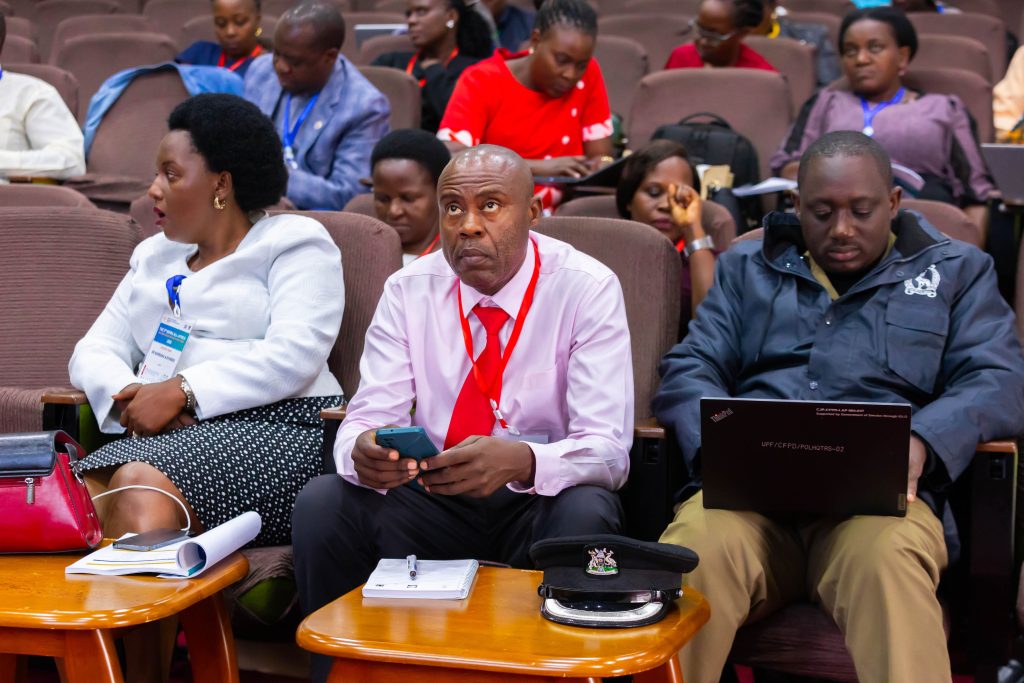
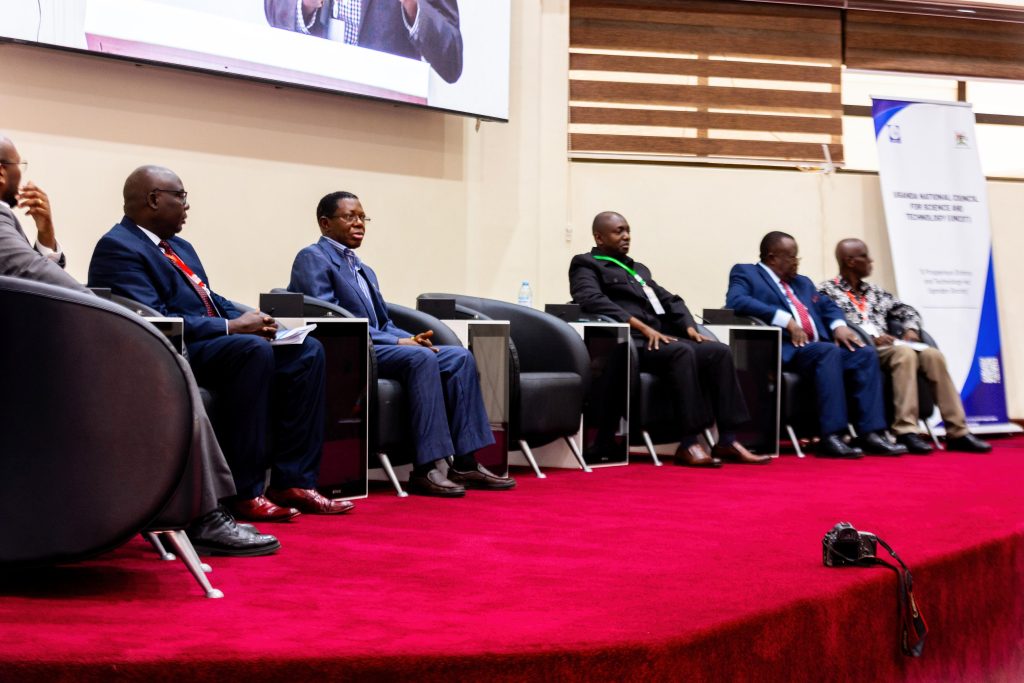
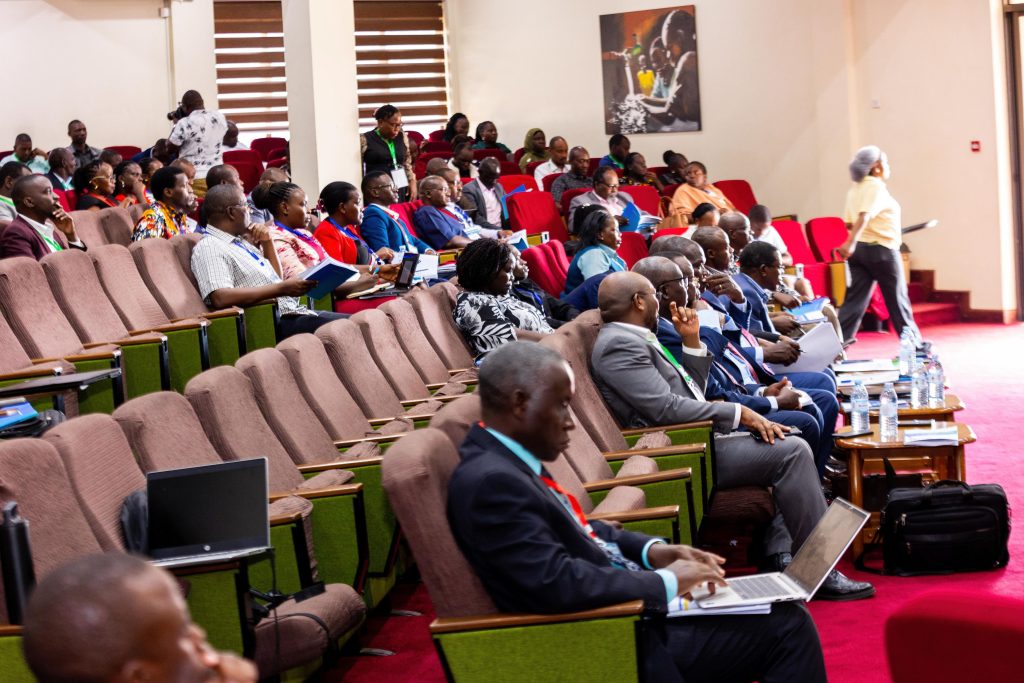
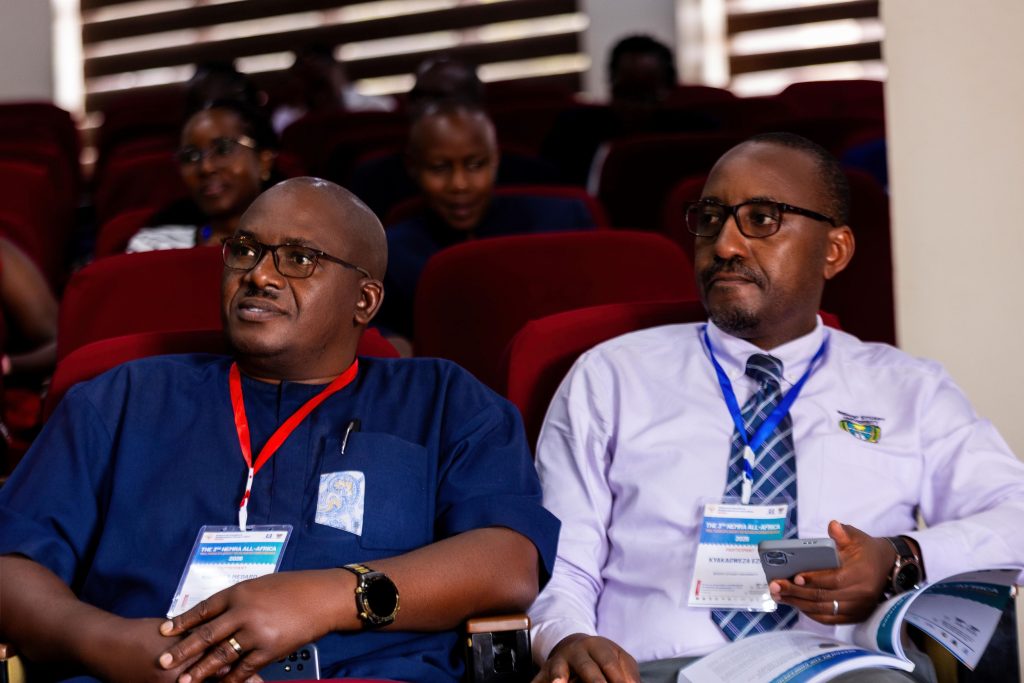
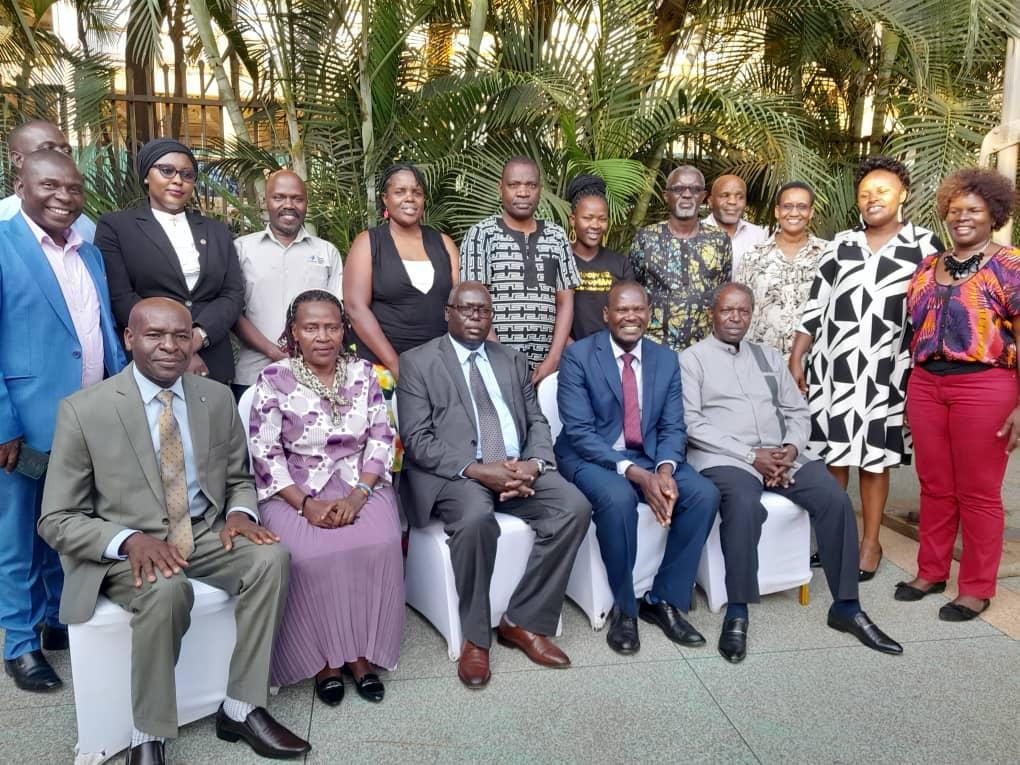
NEMRA successfully hosted its 3rd Annual Research Dissemination Conference on 28th and 29th July 2026, bringing together researchers, academics, innovators, students, policymakers and development stakeholders to share knowledge and explore solutions to contemporary development challenges.
Held under the theme, “Science, Innovation and Research for Holistic Development – An ATMS Framework for Transformative Progress,” the Conference provided an important platform for multidisciplinary dialogue, research dissemination, innovation and collaboration.
The two-day event highlighted the critical role of science, research and innovation in driving sustainable development, while creating opportunities for networking and partnerships among researchers and institutions.
The successful Conference reaffirmed NEMRA’s growing role as a platform for connecting researchers, promoting multidisciplinary engagement and advancing research and innovation for Africa’s transformation.
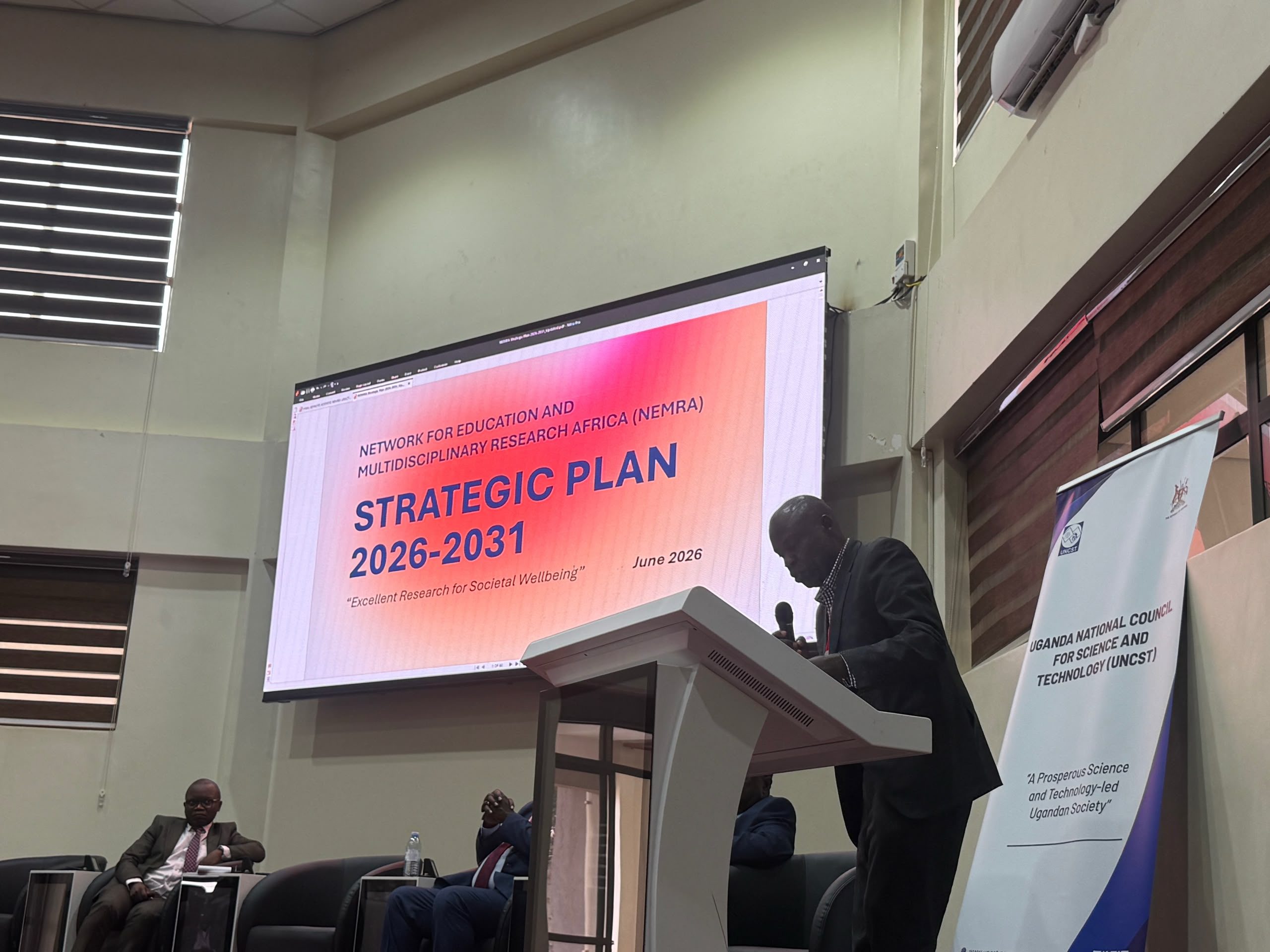
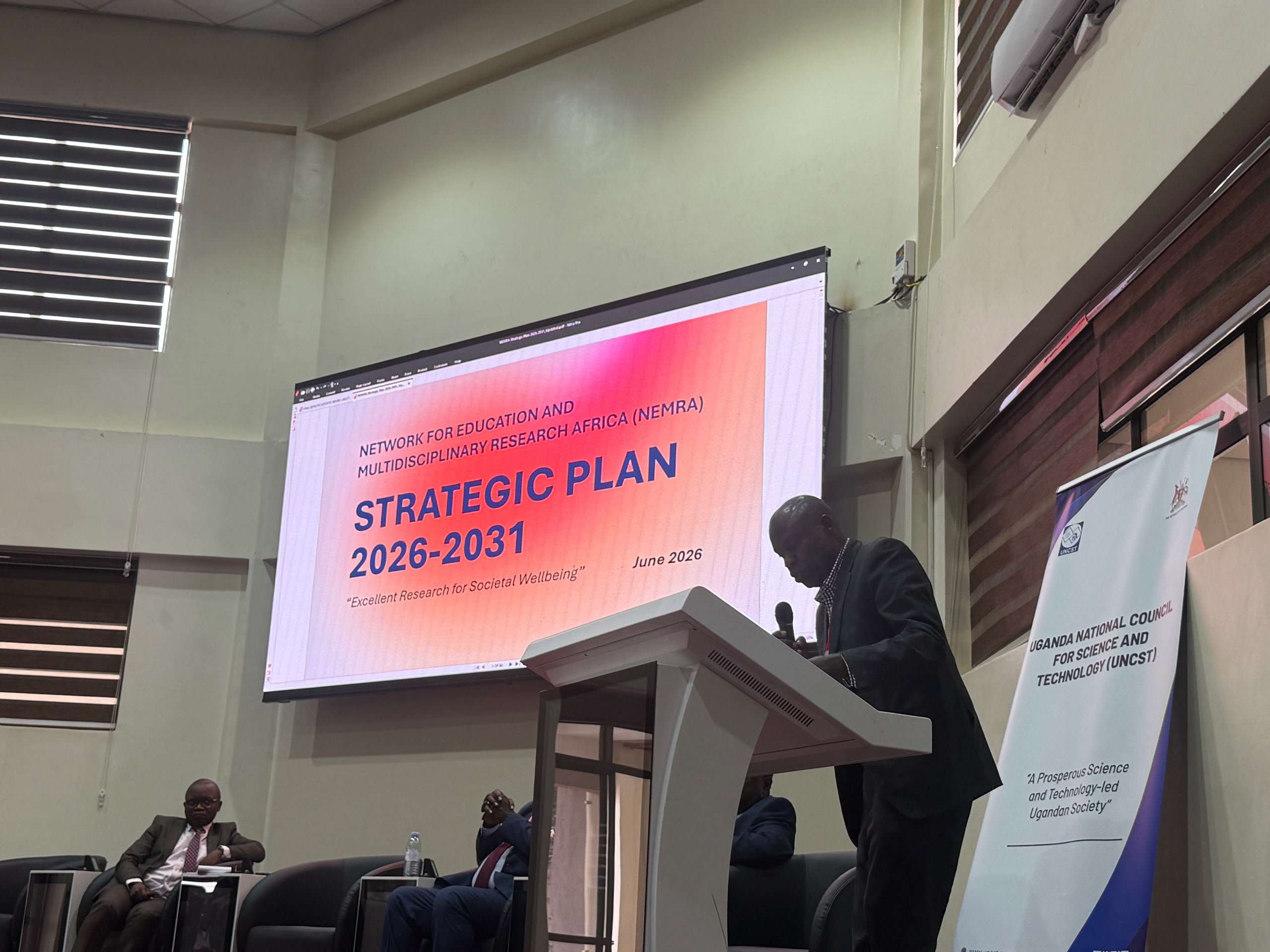
The Network for Education and Multidisciplinary Research Africa (NEMRA) has launched its Strategic Plan 2026–2031, marking an important milestone in the organisation’s journey towards greater impact, sustainability and growth.
The Strategic Plan provides a clear roadmap for the next five years, outlining NEMRA’s strategic priorities in research, education, innovation, capacity building, partnerships, membership development and institutional sustainability.
Building on the achievements and lessons of previous years, the Plan reflects NEMRA’s commitment to strengthening multidisciplinary research and promoting knowledge, innovation and collaboration as essential drivers of transformative development in Africa.
Building on the achievements and lessons of previous years, the Plan reflects NEMRA’s commitment to strengthening multidisciplinary research and promoting knowledge, innovation and collaboration as essential drivers of transformative development in Africa.
As we embark on this new strategic journey, the NEMRA Strategic Plan 2026–2031 serves as our shared vision and guide towards building a stronger, more connected and impactful research community.
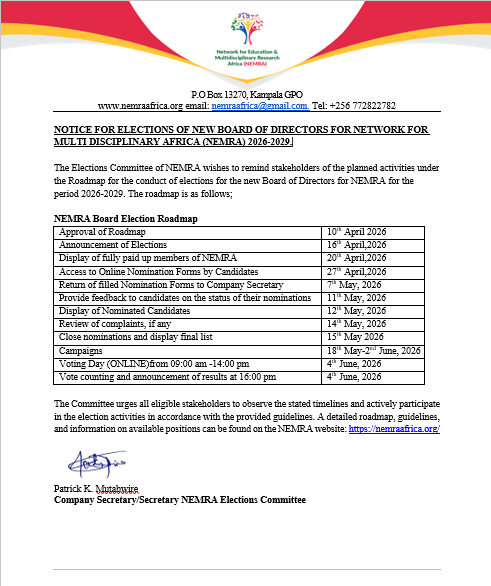
NOTICE FOR ELECTIONS OF NEW BOARD OF DIRECTORS FOR NETWORK FOR MULTI DISCIPLINARY AFRICA (NEMRA) 2026-2029.
The Elections Committee of NEMRA has published the Notice for elections of new Board of Directors for NEMRA for the period 2026-2029.
1.0 Introduction
The Network for Education and Multidisciplinary Research Africa (NEMRA) is an independent group of early career and senior academic researchers as well as postgraduate research students from Universities, and research-oriented organisations in Africa and beyond. The network operates as not-for-profit organization to provide a platform for networking towards quality academic research for societal well-being.
The NEMRA Board of Directors is mandated to provide oversight and general management of the strategic direction of the network. The BoDs also appoints and supervises the Executive Committee that runs the operational arm of NEMRA.
The current BOARD’s 3-year term of office expires June 2026 and members are eligible for reappointment.
1.1 Qualities of Board Members
In general, Board members should:
Be of high integrity and maturity.
Be passionate about research, national development and societal well-being.
Be fully paid up NEMRA members
Be believers in the network’s ethos.
Exhibit the spirit of volunteerism.
Be committed to offer at least two (2) hours of their time per week to matters pertaining to the Network.
Have a track record of successful people and other resource mobilisation for organizations and groups.
1.2 Positions on the Board of Directors NEMRA
The following positions are, therefore, available for any NEMRA subscribed members who is eligible to serve in the capacity of a BOARD Member.
Chairperson,
Vice Chairperson
Finance Director
Postgraduate Research Students’ Representative
Government Institutions representative
Civil Society Organisations and Business Representative
Higher Education Institutions Representative
1.3General Responsibilities of The Board of Directors
The general responsibilities of the Board of Directors are as follows:
To provide oversight and general management of the strategic direction of NEMRA;
To preside over the Management of NEMRA programmes in accordance with Articles and Memorandum of Association;
To develop and establish policies for an effective and efficient governance system;
To recruit and supervise the Managing Director as well as the Executive team who run the day-to-day activities of the network;
To mobilise, acquire, control and protect NEMRA’s resources including partnership relationships with collaborators.
1.4 Functions and Responsibilities of Members of Board of Directors
1.4.1Chairperson of the NEMRA Board of Directors.
The Chairperson is the leader of the BoDs. S/he will be supported by the Board of Trustees (BoTs), the Technical Advisors, Special BoD committees and with the help of the Managing Director will:
Convene and preside over quarterly BoDs meetings, the AGM and extra ordinary meetings;
Appoint and appraise performance of Managing Director and the Executive Committee;
Oversee the formulation & implementation of the network’s strategic direction and policies;
Develop and manage relationships. Take charge of communication with collaborators and all partners;
Oversee periodic evaluation of the network’s performance and lead the BoD in making decisions accordingly;
Head the resource mobilisation and utilisation function of NEMRA
1.4.2. Vice Chairpersonof the NEMRA Board of Directors.
The Vice Chairperson will deputise the Chairperson in his/her role to:
Convene and preside over quarterly BoDs meetings, the AGM and extra ordinary meetings;
Appoint and appraise performance of Managing Director and the Executive Committee;
Oversee the formulation & implementation of the network’s strategic direction and policies;
Develop and manage relationships. Take charge of communication with collaborators and all partners;
Oversee periodic evaluation of the network’s performance and lead the BoD in making decisions accordingly;
Head the resource mobilisation and utilisation function of NEMRA
1.4.3. Finance Directoron the NEMRA Board of Directors.
The Finance Director will assist the BoDs in making finance and investment decisions as the Network pursues related goals including, but not limited to the following:
Developing clear policy guidelines for guiding all matters relating to finances and investments for NEMRA;
Raising funding for implementation of activities relating to NEMRA’s strategic and operational activities.;
Creating an environment for individual members and NEMRA research teams to acquire funding to take on demand-driven research for research results relevant for transforming our society and sustainability;
Enlarging NEMRA’s assets base.
1.4.4. Postgraduate Research Students Representativeof the NEMRA Board of Directors.
The Postgraduate Research Students Representative will represent the interests of postgraduate research students in Africa in matters concerning: –
Research capacity building,
Interuniversity research projects,
Academic research products utilisation, and
Inform the BoD’s decisions by ensuring that NEMRA keeps relevant to postgraduate research students in Africa as far as research is concerned.
1.4.5. Representative for Government Institutionsof the NEMRA Board of Directors.
The Representative for Government Institutions will represent the interests of political establishments in Africa and their members in matters concerning: –
Research capacity building;
Research projects execution;
Research products utilization for societal transformation, and;
Inform the BoD’s decisions by ensuring that NEMRA keeps relevant to the agenda of Governments in Africa as far as research is concerned.
1.4.6. Representative for Civil Society Organisations and Business of the NEMRA Board of Directors.
The Representative for Civil Society Organisations and Business will represent the interests of CSOs and businesses in Africa and their members in matters concerning: –
Research capacity building;
Research projects execution;
Research products utilization for societal transformation, and;
Inform the BoD’s decisions by ensuring that NEMRA keeps relevant to the agenda of CSOs in Africa as far as research is concerned.
1.4.7. Representative forHigher Education Institutionsof the NEMRA Board of
Directors.
The Representative forHigher Education Institutions will represent the interests of Higher Education Institutions and their members in matters concerning: –
Research capacity building;
Interuniversity research projects;
Academic research products utilisation, and;
Inform the BoD’s decisions by ensuring that NEMRA keeps relevant to the agenda of Higher Education Institutions in Africa as far as research is concerned.
2.0AdjustedNEMRA Board Election Roadmap
Approval of Roadmap
10th April 2026
Announcement of Elections
16th April,2026
Display of fully paid up members of NEMRA
20th April,2026
Access to Online Nomination Forms by Candidates
27th April,2026
Return of filled Nomination Forms to Company Secretary
21st May, 2026
Provide feedback to candidates on the status of their nominations
28th May, 2026
Display of Nominated Candidates
29th May, 2026
Review of complaints, if any
2nd June, 2026
Close nominations and display final list
3rd June 2026
Campaigns
4th -18th June, 2026
Voting Day (ONLINE)from 09:00 am -14:00 pm
19th June, 2026
Vote counting and announcement of results at 16:00 pm
19th June, 2026
3.0 Nominations
Board Members are nominated by full members of NEMRA, and the nominated candidates must accept, and sign the nomination forms. Nomination forms should be submitted electronically in this form.
Thank you.
Patrick K. Mutabwire
Company Secretary/Secretary NEMRA Elections Committee
The Network for Education and Multidisciplinary Research Africa (NEMRA) is an independent group of early career and senior academic researchers as well as postgraduate research students from Universities, and research-oriented organisations in Africa and beyond. The network operates as not-for-profit organization to provide a platform for networking towards quality academic research for societal wellbeing.
The NEMRA Board of Directors is mandated to provide oversight and general management of the strategic direction of the network. The BoDs also appoints and supervises the Executive Committee that runs the operational arm of NEMRA.
The current BOARD’s 3-year term of office expires June 2026 and members are eligible for reappointment.
Network for Education and Multidisciplinary Research Africa (NEMRA) is a network of researchers from around the World who fall in the scope of postgraduate research students, early career researchers, senior academics and practitioners with the focus on strengthening and deepening multidisciplinary research in Africa. NEMRA was incorporated in 2019 as a company limited by guarantee. NEMRA membership targets graduate research students, early career researchers, senior scholars and practitioners within educational institutions and beyond. The interuniversity networking is meant to consolidate the limited resources into a synergetic force for achieving the mission of advancing a research culture and generating quality research outputs for Africa’s wellbeing.
OBJECTIVE OF THE AUDIT EXERCISE
The audit contract will cover the period from July 2024 and run for the next 3 years. The purpose is to form and provide an independent opinion on the financial statements of NEMRA prepared in accordance with international accounting standards.
SCOPE OF WORK
The main task of the audit firm will include the following; (a) Review, appraise and report on:
The soundness, adequacy, and application of internal controls.
The reliability of systems for ensuring that expenditures are properly authorized and income properly/promptly brought into account.
The extent to which the assets and liabilities are accounted for and safeguarded from loss.
The suitability and reliability of financial and other management data. (b) Assist line management to investigate all frauds and irregularities, whilst acknowledging that managing the risk of fraud and corruption is the primary responsibility of management. (c) To assist in the review and reporting on the effectiveness of the operation of the NEMRA management and internal control systems. (d) To contribute to the production of the organization’s Annual Governance Statement, required under Regulation 5 of the Accounts and Audit Regulations 2015 (as amended). (e) Advise on internal control implications of new systems.
DELIVERABLES
(a) A detailed financial report on the status of the organization. (b) Notes on recommended financial control procedures. (c) Presentation of final report to management.
QUALIFICATIONS
(a) A firm with proven experience.
PAYMENT TERMS
(a) Payment Package: Up to 1.5million per Audit Cycle. (b) 50% upon signing of the contract on agreed terms.
TIME SCHEDULE
One month to deliver the report from the date of signing the contract.
APPLICATION DEADLINE AND SUBMISSION ADDRESS:
Applications are to be submitted by 23:59 hours (EAT) on February 25th, 2026. The subject of the application letter or e-mail should read ‘Procurement of Consultancy for NEMRA Audit Services‘ and the Cover letter should be addressed and sent electronically to the Finance Director, NEMRA through: tinamwebesa@gmail.com, and copied to: nemraafrica@gmail.com / rutaromax@gmail.com
“Applicants who have already applied for this position within the last 6 months need not re-apply”
As we prepare our 2025 End-of-Year Newsletter, NEMRA management invites network members, and volunteers to contribute articles, reflections, and creative pieces that capture our shared journey this year. This newsletter is an opportunity to celebrate achievements, share experiences, and amplify the voices of our Network.
1. Suggested Themes Contributors may choose from (but are not limited to) the following themes: i. Year in Review: Personal reflections or defining moments ii. Impact Stories: Projects or initiatives that made a difference iii. Lessons Learned: Growth, challenges, and insights gained iv. Member Spotlights: Celebrating individuals or teams v. Looking Ahead: Hopes and goals for the coming year vi. Gratitude & Appreciation: Thank-you messages vii. Creative Expressions: Poems, artwork, photography, or short essays
2. Submission Guidelines i. Word count: 300–500 words ii. Format: Microsoft Word iii. Photos: Optional but encouraged (please include captions and credits) iv. Tone: Reflective, inspiring, and respectful
The First Lady and Minister of Education and Sports, Maama Janet Kataaha Museveni is expected to grace the Network for Education and Multidisciplinary Research Africa (NEMRA) conference on Monday next week, at Makerere University.
NEMRA is proud to announce the inaugural All African Multidisciplinary Research Conference scheduled to take place at Makerere University in Kampala, Uganda, from March 26th to 27th, 2024.
The NEMRA Managing Director, Dr. Juliet Kyayesiimira, reveals that the Minister confirmed through her aides early this week and will flag – off the two day conference.
Dr. Juliet Kyayesiimira
Under the theme, “Develop Research for Policy Formulation and Community Development,” this groundbreaking conference will bring together hundreds of researchers, ranging from top-notch experts to early career scholars, both locally and internationally. The event will be held in a hybrid format at the College of Business and Management Sciences (COBAMS), allowing for both physical attendance and online participation.
Dr. Kyayesiimira reveals that the Conference sub- themes will cover such multidisciplinary areas as; Urbanization and Cities, Youth and Livelihoods, Planetary Crises, Social Economic Resilience, Business and Entrepreneurship, Food Security, Political Science and Governance, Policy and Policy Discourse, One Health and Community Engagement, Higher Education Management and Research Uptake, Language, Culture, Literature, and Education for Development, Information and Communication Technologies for Socio-economic Development, Liberal Arts, Socialization, and Integrated Development, Media and Communications and Clinical Practice.
Why NEMRA Conference?
Dr.Kyaesiimira says the conference will serve as a culmination of NEMRA’s efforts to promote collaboration, networking, and research dissemination among academia, postgraduate students, and practitioners across Africa.
“With a focus on multidisciplinary research, this event will provide a platform for showcasing the impact of the research we do on policy formulation and the overall community development,”
In all, 50 papers and seven posters will be presented during the conference that will be punctuated with entertainment by Makerere University Department of performing Arts and Film.
About NEMRA
NEMRA, is a Uganda-based inter-institutional network which is dedicated to advancing multidisciplinary research across Africa. For the last five years, it has succeeded at the forefront of research capacity building initiatives in the country and beyond and has been recognizes by President Yoweri Museveni, among others.
With a mission to demystify academic research and foster solutions to societal problems, NEMRA has championed training, mentorship, and research dissemination. In line with its strategic goals, NEMRA is proud to host its inaugural annual academic conference.
She reveals that the conference will have keynote speakers who are prominent researchers and academic influencers in Uganda. They are Prof. William Bazeyo who is professor of Occupational Medicine, and retired from Makerere University where he had served as lecturer, Dean School of Public Health’s and finally Deputy Vice Chancellor Finance & Administration. He is a key pillar in various public health and community engagement projects including The HEALTH Alliance and the chief of party of ResilientAfrica Network (RAN). Professor Bazeyo also serves as a mentor/advisor on resources mobilization for research.
The other speakers are; Dr. HamisMugandawala of the National Planning Authority, Ms. Mercy Kainobwisho, Registrar General of the Uganda Registration Services Board, Dr. Martin Ongol from Uganda National Council for Science and Technology.
Registration and Participation
Participants, are invited to registered for this conference with options for both in-person and physical attendance with the following persons: Dr. ApophiaAgiresaasi: agiresaasi@gmail.com and Dr. Gad RuzaazaNdaruhutse: gruzaaza@must.ac.ug
Member of the public are encouraged to follow the conference proceedings using the hashtag #NEMRAConference2024 @NEMRA_Africa on X.
First Lady and Minister of Education and Sports, Hon. Janet Kataaha Museveni, is scheduled to inaugurate the highly anticipated Network for Education and Multidisciplinary Research Africa (NEMRA) conference, which kicked off this morning at Makerere University. Scheduled from March 26th to 27th, 2024, at the plush Yusuf Lule Central Teaching Facility (CTF) 2, the conference marks the inaugural All African Multidisciplinary Research Conference organized by NEMRA. Under the overarching theme, “Develop Research for Policy Formulation and Community Development,” the conference is set to attract a diverse array of researchers, from seasoned experts to budding scholars, hailing from both local and international arenas. A few hours before the conference, our researchfind team caught up with NEMRA Managing Director, Dr. Juliet Kyayesiimira, and below are the excerpts:
ResearchFinds News: First of all, briefly tell the readers who you are and what you do.
Dr. Kyayesiimira: My name is Dr. Juliet Kyayesimira, and I serve as a lecturer in the Department of Biological Sciences at Kyambogo University, Uganda. Additionally, I’m honored to volunteer as the Managing Director of the Network for Education and Multidisciplinary Research Africa (NEMRA), a collaborative network focused on strengthening and deepening multidisciplinary research for and about Africa.
ResearchFinds News: Briefly tell the readers what your roles and responsibilities are at NEMRA
Dr. Kyayesiimira: At NEMRA, my roles are multifaceted. I maintain robust relationships with stakeholders, supervise core operations, execute innovative ideas for sustainable objectives, set the tone for NEMRA’s interactions, oversee the Board’s directives, ensure organizational effectiveness, and manage personnel matters. Additionally, I serve as the secretary to the BOARD.
ResearchFinds News: The long-awaited Conference by NEMRA kicks off this morning. Why you have organized it at this time of the year?
Dr. Kyayesiimira: This conference marks a significant milestone for NEMRA. Over the past five years, NEMRA has facilitated collaboration, networking, and knowledge exchange among researchers, postgraduate students, and practitioners. With the steady increase in research capacity, it’s an opportune moment for participants to present their latest findings and innovations. This is important for this year because the nation is beaming with hope and opportunity across various sectors. These sectors need policy shifts that are informed by research such as ours.
ResearchFinds News: We understand you have invited the First Lady to officiate the opening. Why did you specifically invite her and what are your expectations?
Dr. Kyayesiimira: This conference is educational and therefore, falls under her ministry. We believe her presence will signify the government’s commitment to fostering a research and innovation culture within the education sector. We expect her support in developing policies, allocating funding, and providing resources to researchers, thereby advancing the research landscape in Uganda.
ResearchFinds News: How will NEMRA foster this through this conference?
Dr. Kyayesiimira: Through this conference, NEMRA aims to catalyze collaboration, engagement, and knowledge exchange. We envision participants gaining valuable insights through keynote presentations, panel discussions, and networking opportunities, ultimately contributing to the advancement of research and innovation in Africa. These presentations will also catch the eye of different stakeholders in the public and private sectors.
ResearchFinds News: Is this conference going to be attended by researchers and academicians? Who else and what are the expectations?
Dr. Kyayesiimira: Yes, the conference will attract a diverse audience, including researchers, academicians, practitioners, and policy implementers. We anticipate vibrant discussions, knowledge-sharing sessions, and the formation of partnerships that will drive impactful research outcomes and inform policy and practice across various sectors.
ResearchFinds News: We realize NEMRA has a Continental focus. What is the reach and footprint of this organization?
Dr. Kyayesiimira: NEMRA boasts a global network of researchers, with institutional members such as South East Technological University (SETU) from Ireland and Muteesa 1 Royal University, along with individual members spanning continents. Our reach extends beyond geographical boundaries, facilitating collaboration and knowledge exchange on a global scale.
ResearchFinds News: What does it take for one to be a member and what are the benefits?
Dr. Kyayesiimira: Membership in NEMRA involves an annual or life fee, offering a plethora of benefits. Individual annual membership is UGX 100,000/= or the equivalent in another currency. The life membership fee is UGX 2,000,000/= or the equivalent in another currency. The annual institutional membership fee is UGX 1,000,000/= or the equivalent in another currency for international institutions. Members enjoy decision-making participation, access to resources, involvement in research projects, mentorship opportunities, and partnerships, thereby enhancing their research endeavors and professional development.
ResearchFinds News: What are the Conference’s Potential Benefits to Participants?
Dr. Kyayesiimira: The conference promises a dynamic and interactive experience for attendees. Participants can look forward to engaging sessions, networking opportunities, poster presentations, expert panels, keynote speeches, exhibitions, and technology showcases. By fostering collaboration and knowledge sharing, the conference aims to inspire innovation and drive impactful research outcomes.
ResearchFinds News: What are the five key outputs you envisage out of this conference and how will these impact policy and practice?
Dr. Kyayesiimira: The conference is poised to yield several key outputs with far-reaching implications. These include enhanced research collaborations, innovative solutions, policy recommendations, capacity-building opportunities, and strengthened community-building and knowledge sharing. By influencing policy and practice, these outputs will contribute to positive societal change and drive sustainable development across various sectors in Africa.
Effective dissemination of Research findings enhances Research impact. We therefore need to address communication barriers and identify which media formats are more effective. This will enable us create public awareness and engagement in decision making and policy development.